01
Systems operate in silos
Academic, administrative and compliance tools are often disconnected, which slows decision-making and weakens visibility.
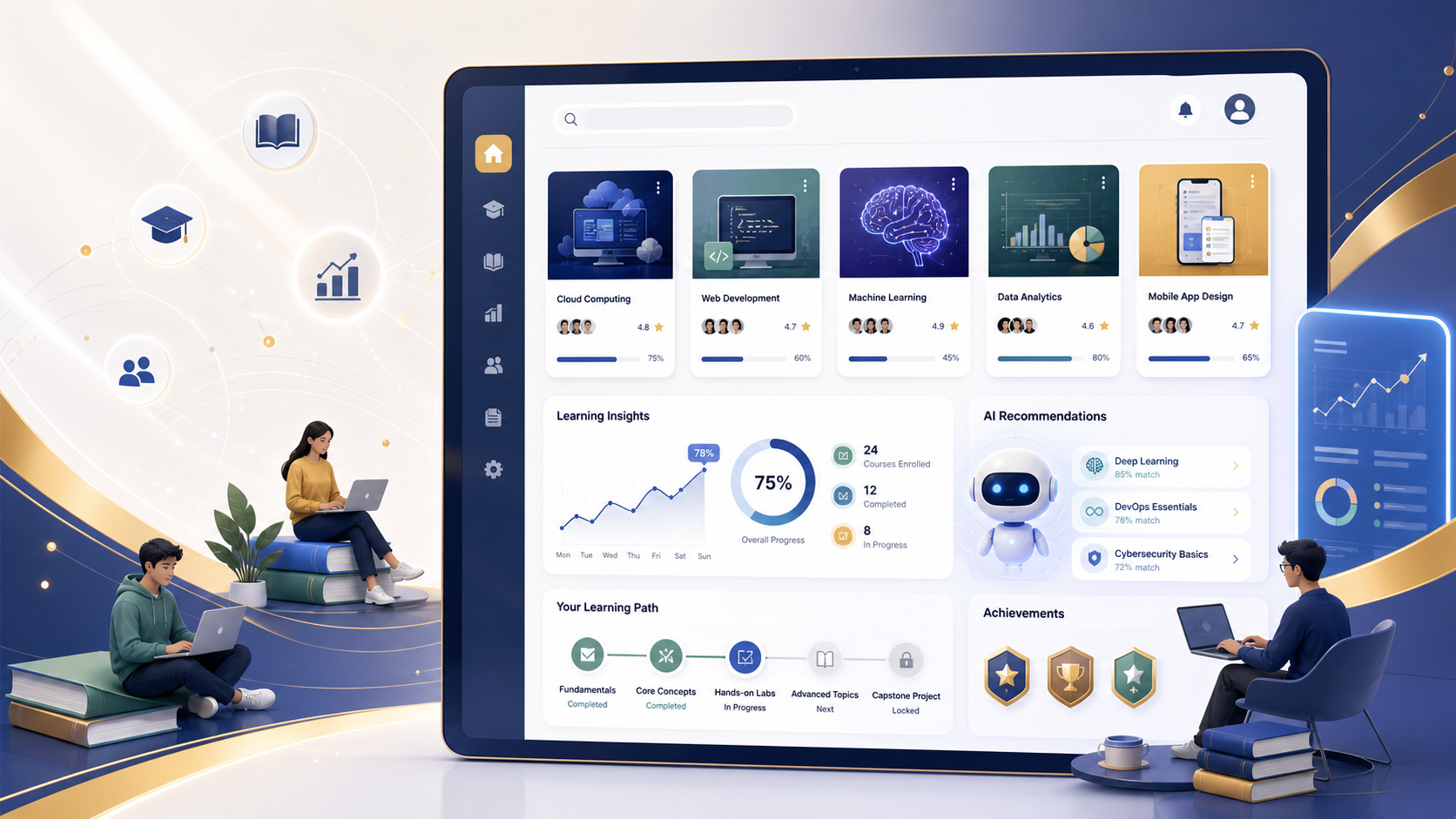
EDUCLO was created to transform fragmented educational systems into intelligent, connected, AI-powered institutional ecosystems.
The page is intentionally framed as a mission narrative. It explains why EDUCLO exists, why AI governance matters and why institutions need a platform layer that moves beyond ERP, LMS and disconnected workflows.


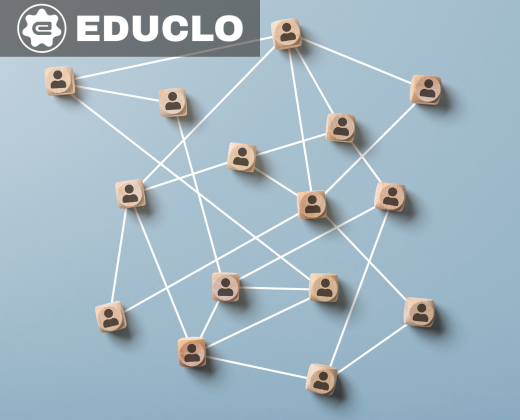
Across institutions worldwide, systems operate in silos, decisions arrive late, governance lacks visibility, compliance stays manual and learning ecosystems remain disconnected.
Academic, administrative and compliance tools are often disconnected, which slows decision-making and weakens visibility.
Without a live operating layer, leaders are forced to react to issues after they have already impacted students and institutions.
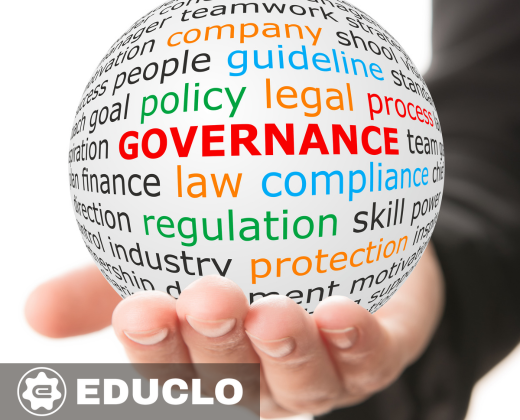
Reporting, audit trails and governance workflows still require repetitive effort instead of being embedded in the platform.
Learners, faculty, administrators and external partners rarely work through one connected institutional ecosystem.
EDUCLO was founded with a simple belief: educational institutions need more than software. They need intelligent operational infrastructure.
The goal was not to create another ERP or LMS platform. It was to build a unified AI-powered academic operating system capable of enabling real-time governance, institutional intelligence, ecosystem-wide collaboration and outcome-driven decisions.
EDUCLO was built on the belief that education institutions need intelligent operational infrastructure, not another isolated tool.
The platform is designed to make academic governance, coordination and outcomes visible across the institution as they happen.
EDUCLO is positioned to support multiple stakeholders across institutions, government, workforce and learning ecosystems.
The mission is to make governance, learning, analytics and AI work as one connected operating layer.
EDUCLO is designed to unify academic workflows, learning ecosystems, governance operations, compliance systems and institutional analytics into one connected operational layer.
Admission, delivery, assessment and student lifecycle operations connected in one operating layer.
Learners, faculty, content and engagement brought into one coordinated experience.
Leadership visibility, policy execution and decision support aligned across the institution.
Audit-ready reporting and evidence capture made part of the platform instead of a manual afterthought.
Data transformed into signals that guide performance, planning and long-term institutional outcomes.
The tone here stays strategic and credible, highlighting progress without exaggeration.
Signals of interest from public-sector conversations around governance, digital transformation and institutional modernization.
Working discussions with institutions that want connected academic infrastructure rather than another point solution.
Practical pilots that help validate the platform in real institutional environments and use cases.
Mission-aligned deployments that reinforce EDUCLO’s social impact and ecosystem reach.
An external signal of momentum that supports the platform’s long-term strategic positioning.
“The future of education depends not only on digitization, but on intelligent coordination between institutions, governance systems, learning ecosystems and workforce development.”
The future section is meant to signal long-term vision for institutions, governments and ecosystem partners.
A future where institutional decision-making is supported by intelligent, always-on coordination.
Governance and reporting that can scale across networks, jurisdictions and multi-institution ecosystems.
A platform layer that can connect academic systems, partners and stakeholders across markets.
Education that aligns more directly with employability, capability development and real outcomes.
A durable operating layer that supports faster, better-informed institutional action.
EDUCLO is collaborating with institutions, governments and ecosystem partners to build the next generation of academic infrastructure.